
Rethinking the Value of Marginal Cropland
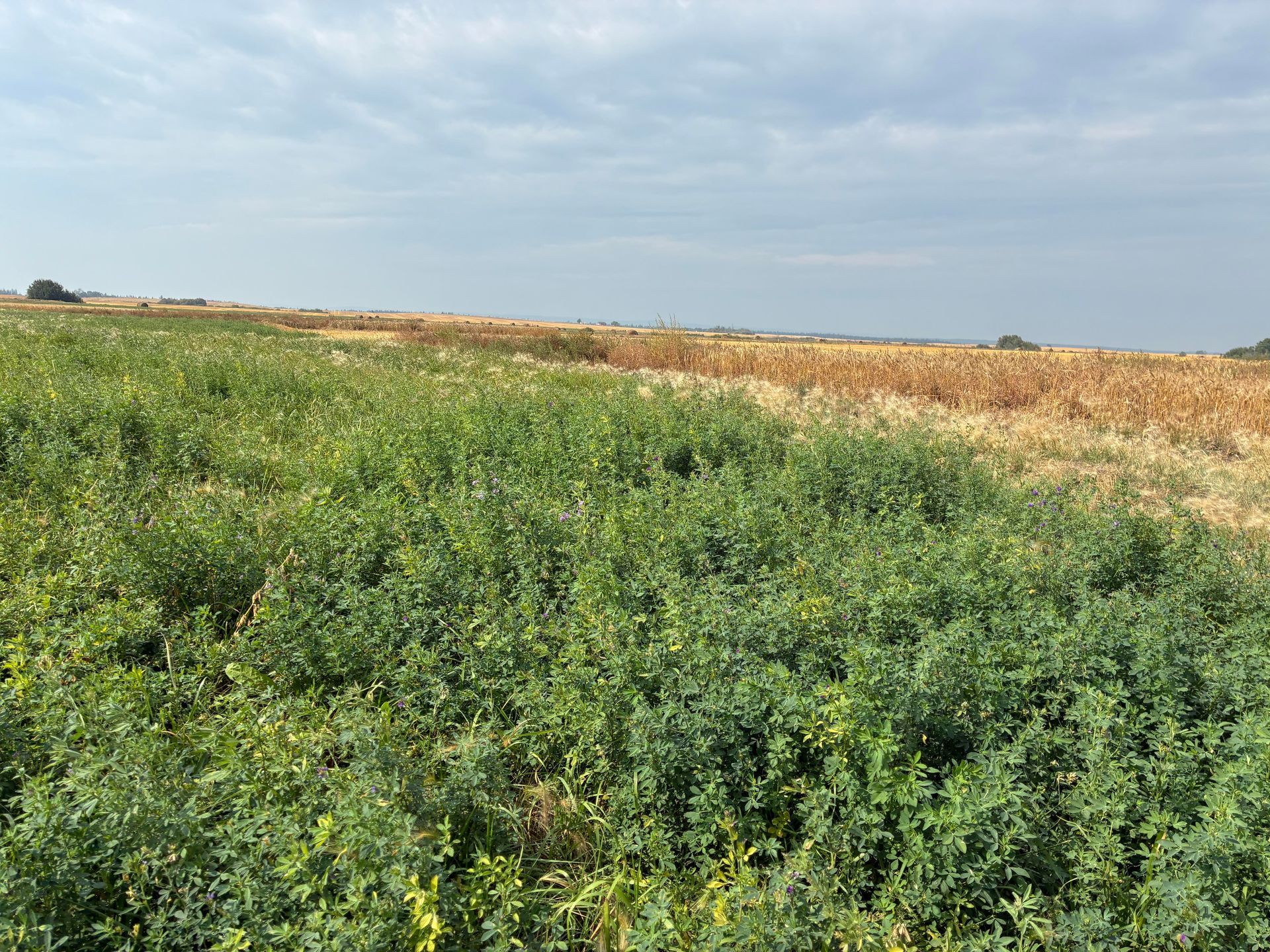
It is important to note that marginal cropland is not marginal land. While It may be marginal for annual crop production, it can still do a lot of good for the land, animals and people who rely on it.
So, the question is, if the area isn’t ideal for crops what can it be used for instead?
Some great options include:
- Wildlife habitat – Supports biodiversity while reducing input costs
- Forage – Seed with perennial grasses or legumes to support livestock and reduce input costs
- Agroforestry – Plant trees or shrubs for windbreaks, carbon storage sequestration, or fruit/nut production
- Pollinator & Insect Habitat – Planting flowering species to create spaces for pollinators such as bees, as well as to provide habitat for the predator insects and parasitic wasps that help keep pest insects in check
- Wetlands – Restore low-lying areas to improve water retention and biodiversity, and even qualify for conservation incentives
- Converting marginal cropland offers a range of compelling benefits for the farmer. Financially, it reduces wasted inputs on areas that consistently fail to deliver a return, helping to lower costs. It also creates new opportunities, such as growing and marketing forage crops, which can diversify income. Operational efficiency improves as resources are concentrated on the most productive land. Beyond profitability, these changes bring environmental advantages like supporting healthier soils, cleaner water, and greater biodiversity.
Getting Started:
- Begin by assessing your land using tools like yield maps, soil tests, and visual inspections to identify areas that may be better suited for alternative uses.
- Next, choose a conversion option that aligns with your operation, whether it's wetlands, forage, agroforestry, or another approach.
- Once you've decided, work with experts or programs to develop a plan and implement the changes effectively.
- Finally, monitor the results over time, tracking the benefits and adjusting as needed to optimize land use and productivity.
Marginal cropland may not deliver consistent yields for annual row crops, but that doesn’t mean it’s without value. With strategic management, these areas offer opportunities to boost profitability while improving stewardship across the operation, contributing to overall farm resilience.
There are many funding and support opportunities available for land conversion efforts:
- Ducks Unlimited Canada (Phone: 1-866-252-3825)
- Marginal Acres Program: Free custom seeding of perennial forages by aerial application or $135/acre incentive for self-seeding.
- Wetland Restoration Program: $2000/acre one-time payment with a 10-year lease, or 100% Fair Market Value for conservation easement on restored wetland acres.
- Saskatchewan Ministry of Agriculture Resilient Agricultural Landscapes Program (RALP)
- Tame forage seeding: 50% cost-share, up to $60K | Native forage seeding: 90% cost-share, up to $30K
- Prairie Precision Sustainability Network (PPSN)
- See our blog post “Marginal Cropland Potential: The Prairie Precision Sustainability Network” for more information.
- Saskatchewan Association of Watersheds (Phone: 1-306-541-9902)
Author
Megan Venneman
Communications Coordinator
Bridge to Land Water Sky