
Evolution of Agriculture on the Canadian Plains
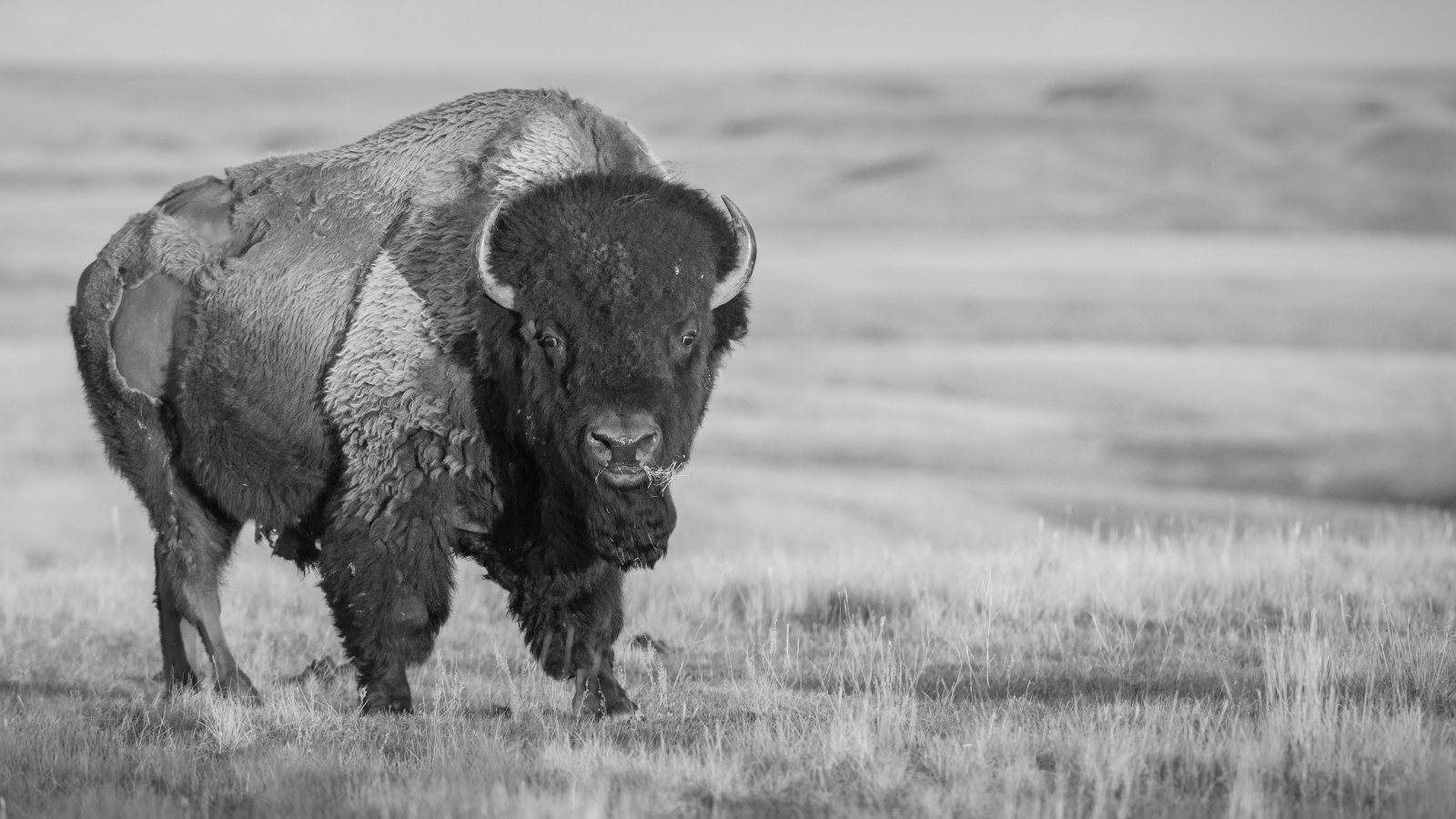
Prior to European settlement, Indigenous peoples across the territory now known as Canada sustained themselves through hunting, gathering, berry picking, plant harvesting, and fishing. Camps rotated seasonally and controlled burns were used to maintain ecosystems and manage bison grazing. Natural resources - including plants and buffalo - were used not only for nourishment but also for medicine, clothing, shelter, and ceremonial purposes. Everyone in the community contributed to the work and care, ensuring every resource was used thoughtfully and nothing went to waste. Evidence also shows that Indigenous communities cultivated crops and cared for wild plant populations long before colonization. The land itself was a mosaic of thriving and intentionally managed ecosystems, grounded in a deep respect for nature and a sense of connection to it.
Settler Agriculture (Post-1850s):
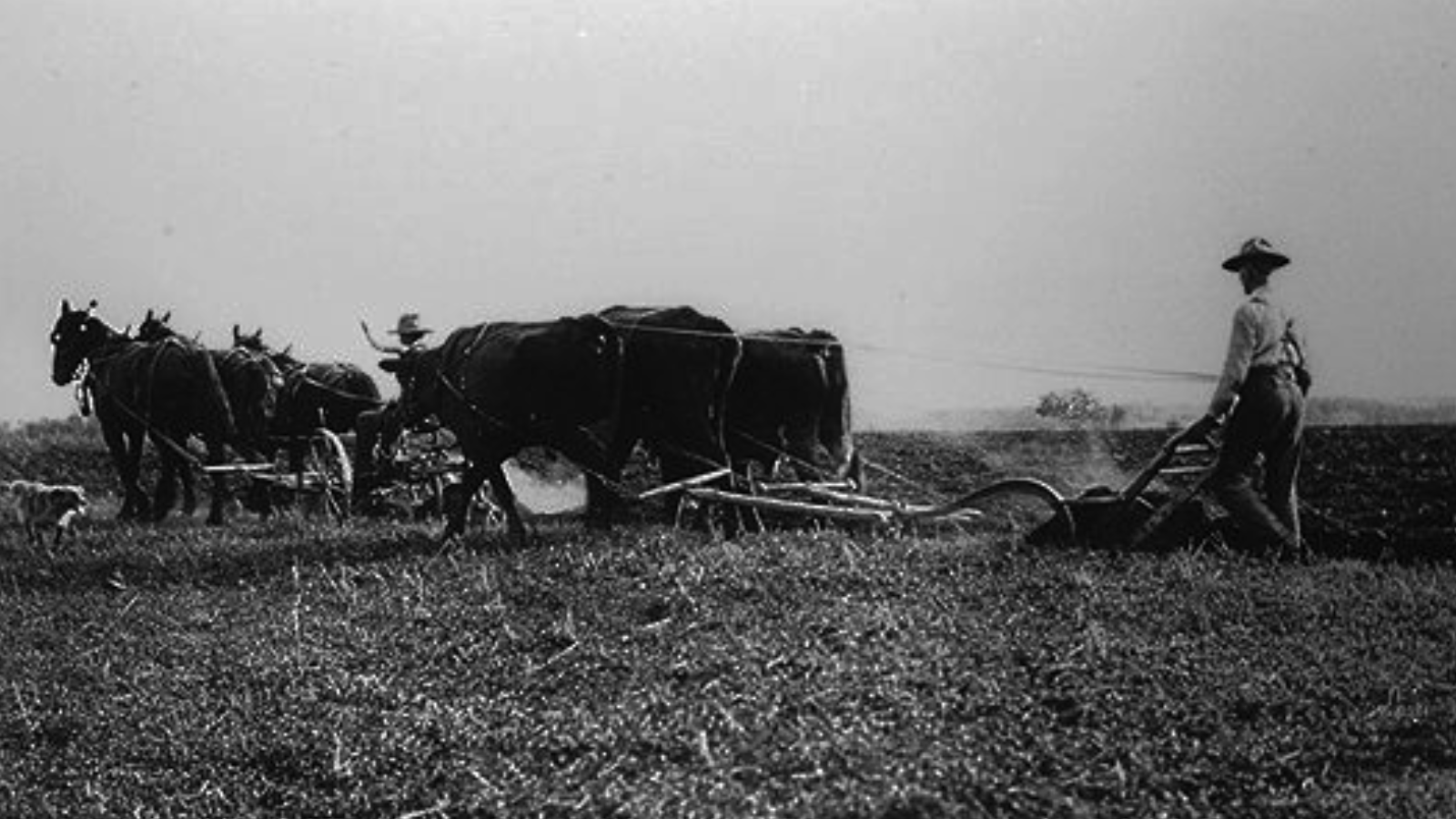
Seeking new beginnings and the promise of a better life, many settlers arrived in the Canadian Prairies with hopes of building sustainable livelihoods through farming. They embraced a sedentary way of farming, clearing large stretches of land to cultivate monoculture crops such as wheat, corn, and barley. Draft horses and heavy iron plows carved the soil into rows, and these techniques profoundly altered natural ecosystems. This era of yield-driven farming positioned the Prairies as a global leader in agriculture. Yet alongside expansion, came deep and lasting consequences. Government-supported farming became a mechanism of displacement, disrupting Indigenous lifeways and severing connections to land, culture, and traditional forms of wealth. Colonial agricultural systems were imposed, amplifying inequality and undermining stewardship practices that had long sustained the region.
Other Significant Events between the late 1800s-early 1900s:
- Treaty 6 signed (August 23, 1876): Notably, this treaty promised agricultural tools and support. However, these promises were often not fulfilled, leading to significant challenges for Indigenous farmers.
- Loss of Buffalo (Late 1800s): The loss of bison devastated Indigenous communities, forcing them to rely on government rations and adopt new practices, including farming European crops.
- Indian Act (1876): This legislation imposed numerous restrictions on Indigenous peoples, including their ability to farm. It introduced policies like the pass system, which restricted movement, and the permit system, which controlled the sale of agricultural products.
- Permit System Introduced (1881): Amendments to the Indian Act required Indigenous individuals to obtain permits to sell or trade their agricultural produce, severely restricting their ability to participate in the agricultural economy.
- Peasant Farming Policy (1889): This policy aimed to limit Indigenous agricultural production by restricting the use of modern farming equipment and techniques, forcing Indigenous farmers to use outdated methods.
Mechanical Farming & The Dirty Thirties (1920s-1940s):
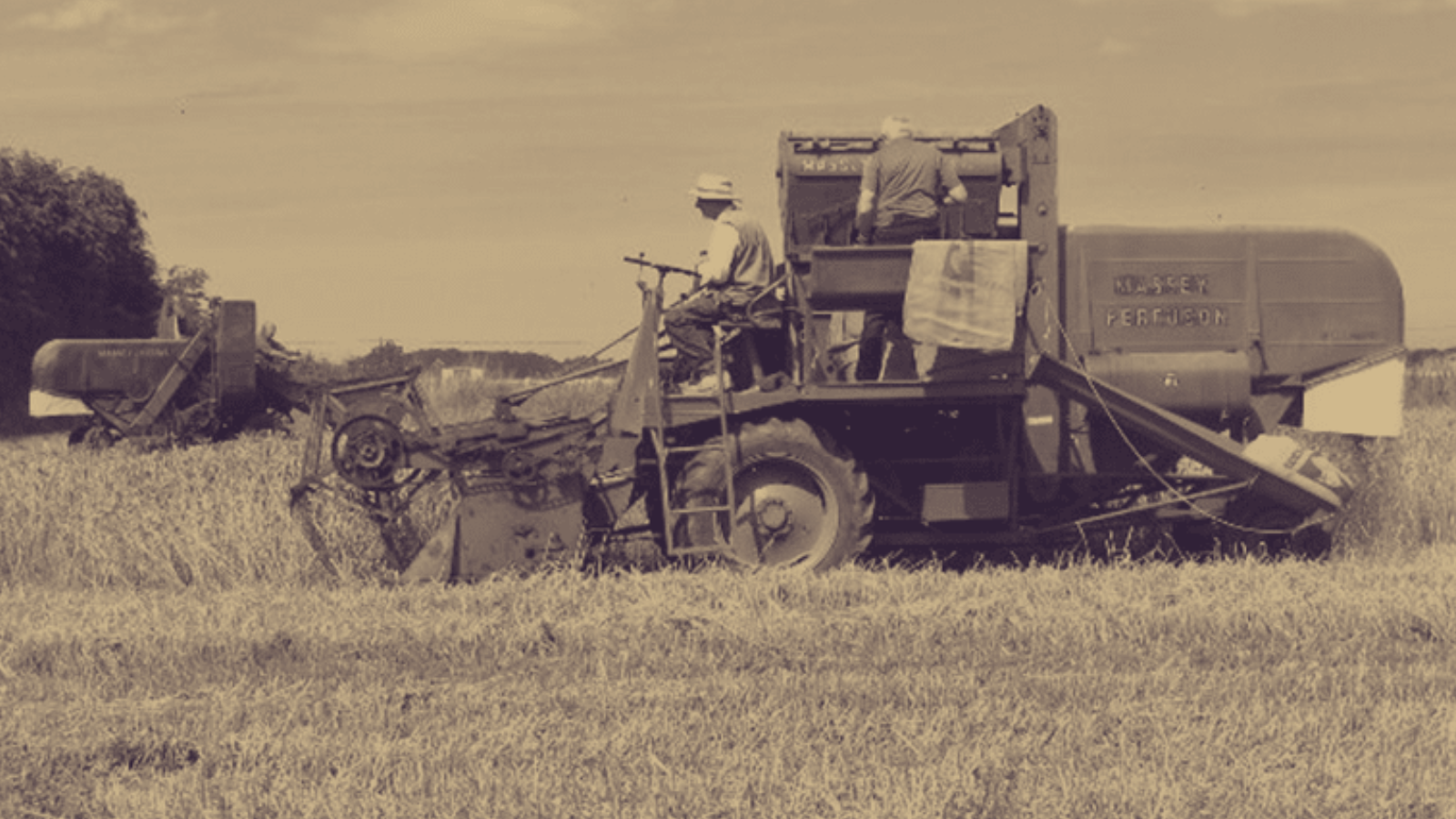
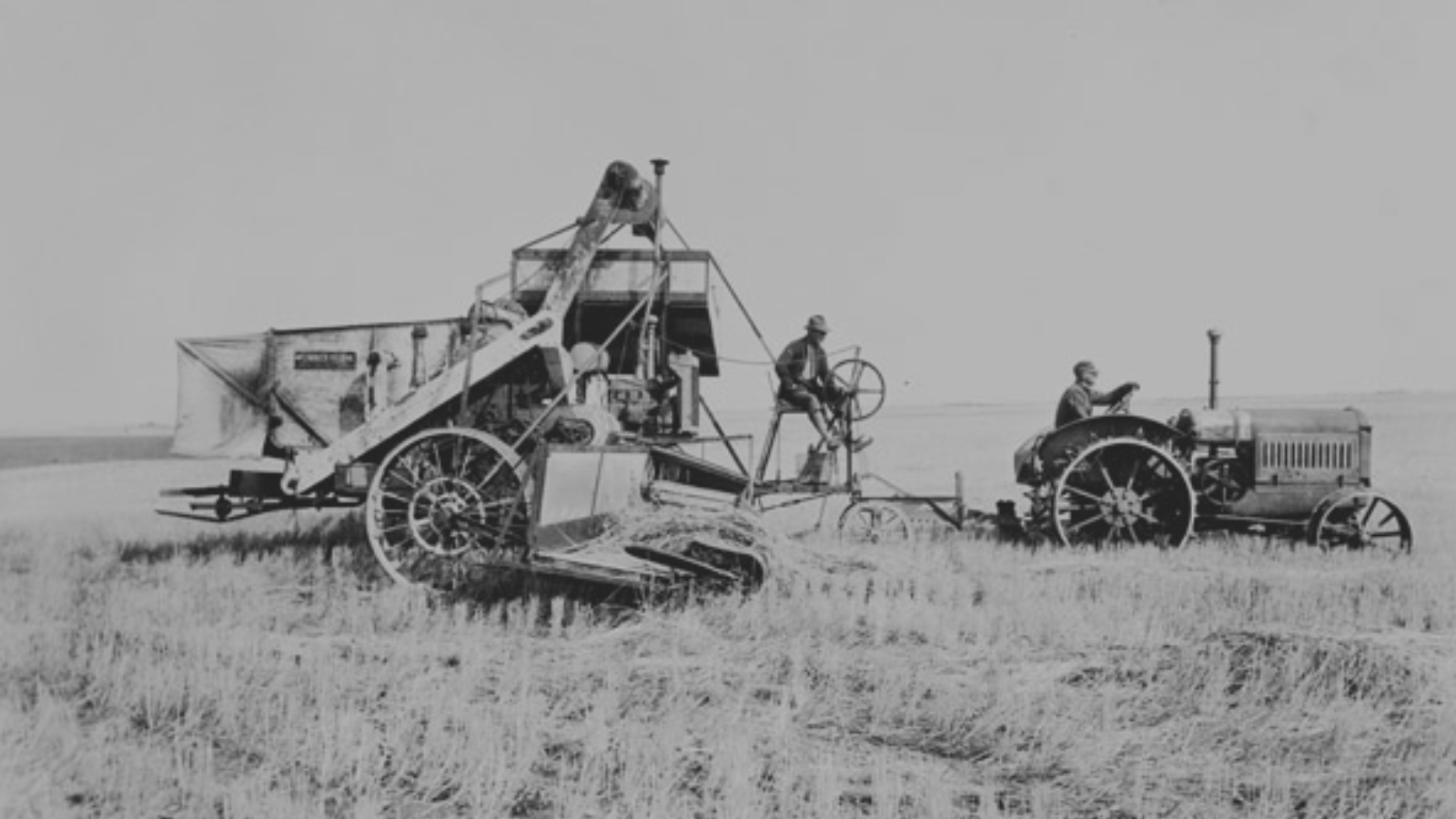
During this period, horse-drawn plows declined rapidly as mechanized equipment, such as tractors, steel plows, cultivators and combines became increasingly widespread. These technological advances allowed for large-scale farming and intensive practices like over-tilling and monoculture cropping to become common. However, these methods, coupled with limited ecological knowledge, led to widespread soil degradation. The effects were extreme during the “Dirty Thirties,” when severe erosion triggered one of the most devastating environmental crises in prairie history. In response, awareness of soil health and sustainable land management began to grow. By 1935, the Government of Canada launched the Prairie Farm Rehabilitation Administration (PFRA), an initiative to support farmers in adopting conservation practices and restoring the ecological balance of the Plains. As well, though it was never officially legislated, the 1940’s saw the end of the enforcement of the Permit system, which limited Indigenous participation in the agricultural economy.
Technical Advancements (1950s):
Technological innovations - including diesel engines, hydraulic systems, and larger machinery - revolutionized farming operations during this era. Alongside these mechanical upgrades came increased use of synthetic fertilizers to boost yields, and chemicals to control weeds and pests. While these advancements greatly improved productivity and efficiency, they also deepened the dependence on chemical inputs. As a result, serious environmental concerns emerged: declining soil fertility, water contamination, loss of biodiversity, and rising threats to human health.
Conservation Agriculture (1960s-1980s):
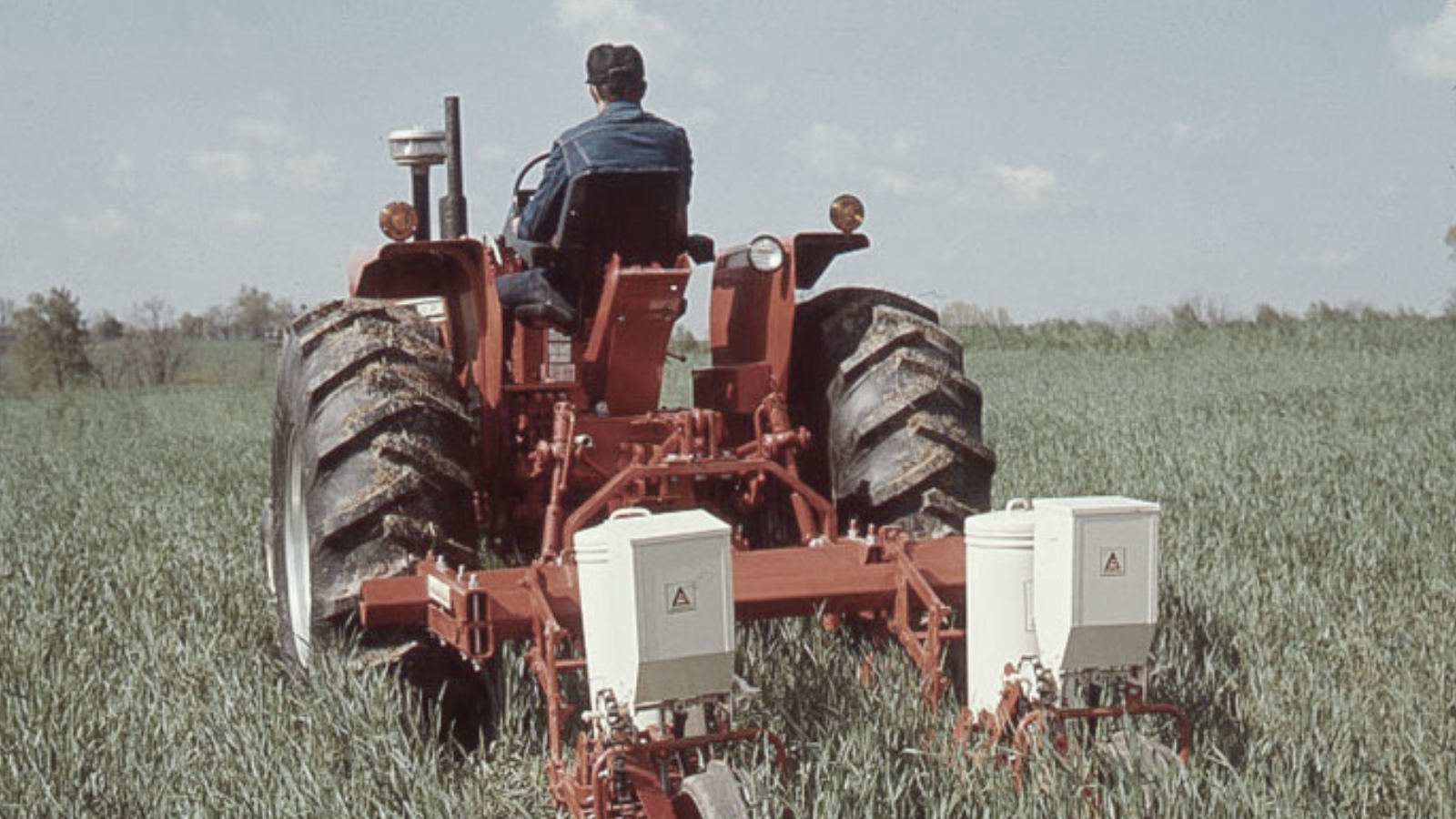
By this point, it had become increasingly evident that the current agricultural practices were taking a toll on the land. Environmental advocates like Rachel Carson - whose groundbreaking 1960s work, and particularly her book Silent Spring – raised public awareness around the ecological dangers of pesticide use and played a critical role in prompting stricter regulations. Furthermore, innovations like no-till farming, no-till seed drills, and targeted herbicide applications reduced physical tillage and soil erosion, therefore enhancing soil health.
Modern & Regenerative Farming (1990s-present):
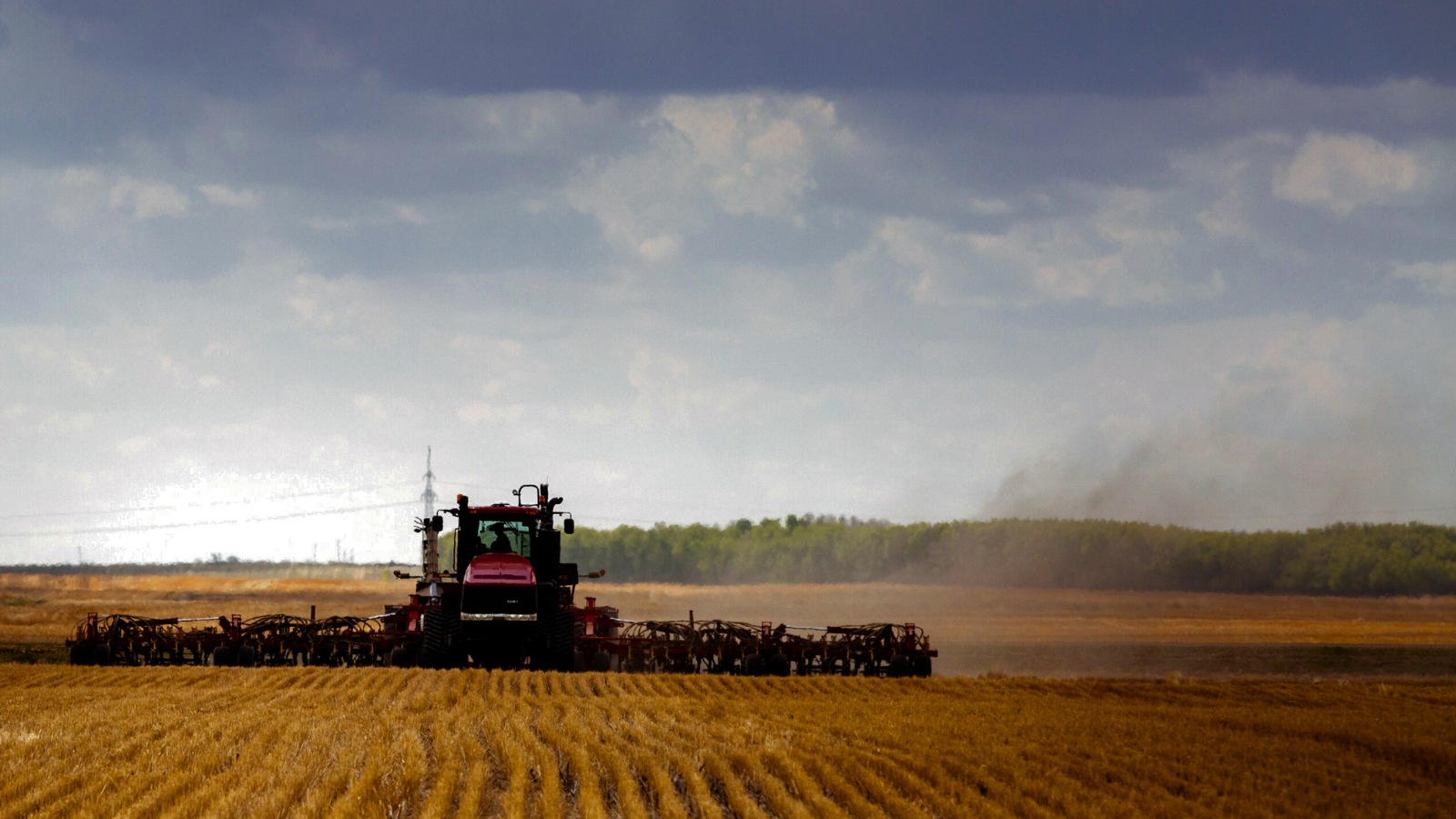
Modern technology has introduced the adoption of GPS, autosteer technology, use of drones, and robotics for seeding, fertilizing and spraying. Farmers continue to face challenges in this era, with unpredictable - and often extreme - climate events, rising input costs and market volatility, the livelihoods of many farmers are threatened. In response to these challenges, there has been a return to holistic and regenerative practices for soil health, climate resilience, and biodiversity. The result is increased efficiency as well as conservation of time, fuel and products, leading to improved environmental health and a more resilient agricultural future.
The deep-rooted principles found in Indigenous land stewardship are reflected in the holistic agricultural practices gaining momentum today. Regenerative techniques such as intercropping, strategic crop rotation, and integrated livestock systems are proving essential for restoring soil health, enhancing biodiversity, building climate resilience, and ensuring long-term food sustainability.
While the agricultural story of the Canadian Prairies is complex, marked by innovation, displacement and resilience, it continues to evolve. Though this reflection offers just a glimpse into the dynamic journey of this region, it reminds us that understanding these shifts and learning from both Indigenous stewardship and contemporary practices, we can cultivate a more resilient and sustainable future for agriculture.
Author
Megan Venneman
Communications Coordinator
Bridge to Land Water Sky