
The Cost of Control
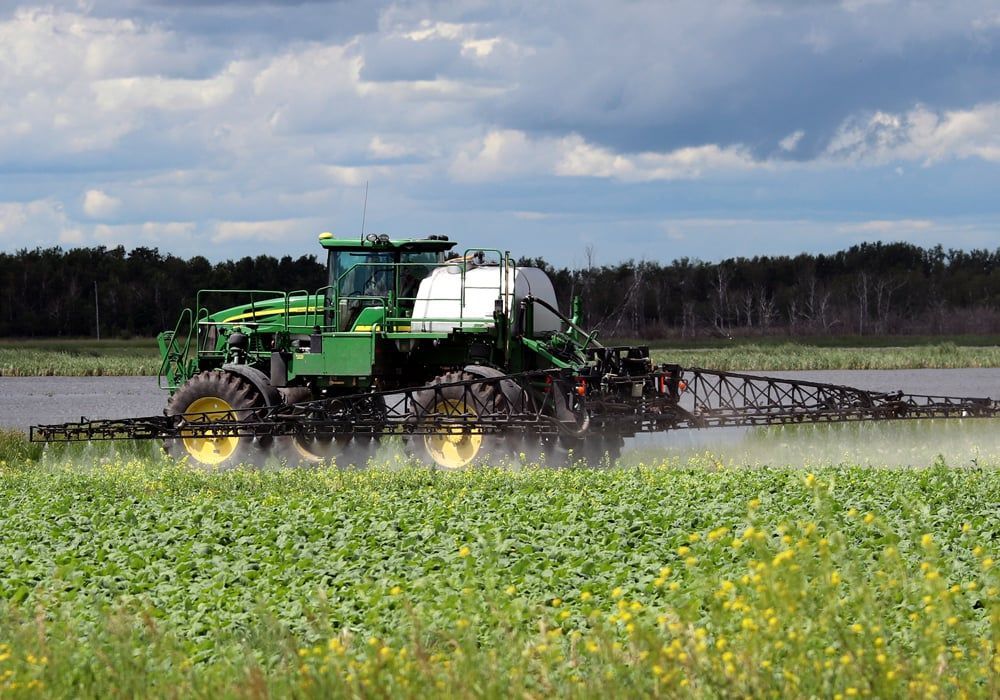
The focus tends to be on some of these “problem chemicals” like glyphosate and neonicotinoids and certain fungicides partly due to their toxicity and partly because of how much is being used. The most commonly used herbicide on the prairies is glyphosate so that is the roundup chemical that you use in your garden but also is used widely on all those roundup-ready GMO crops. The most common fungicide used on the prairies is protoconazole used mainly because of its properties to amplify the toxicity of insecticides and is an endocrine disruptor. The most common class of insecticides used on the prairies that tend to be the most problematic are the neonicotinoids.
In early 2010, research on neonicotinoids started to take off and triggered all kinds of controversy. The Health Canada Pest Management Regulatory Agency (PMRA) initially banned neonicotinoid insecticides in 2016 but in 2021 they reversed their decision to ban them shocking many people. The reason for this reversal was because PMRA concluded that although some outdoor uses are not acceptable (i.e., turf, minor use crops), other “risks are largely acceptable with mitigation” (i.e., spray buffer zones, rate reductions, label changes). The reversal was a shock to the research community because they are applied so widely on a wide range of different crop types (foliar sprays, seed treatments, soil drenches) and are a problem for the environment because they are highly water soluble - they move into wetlands and other surface waters and groundwater very easily. Neonicotinoids are highly persistent in the environment - the half-life for some of these chemicals can be several years not seen in most other insecticide classes. They kill beneficial insects. They also cause problems for both insectivorous and seed-eating birds through field exposure, consumption of chemically treated seeds left in the environment, and reducing the abundance of beneficial insect species as a food source. Effects on birds can include a change in food consumption, rapid weight loss, delayed onset of resuming migration and mortality.
A White Crown Sparrow weighing about 27 grams can eat about 230 wheat kernels or over 2,300 canola seeds per day and this can be higher during migration. The equivalent amount of imidacloprid (a neonicotinoid insecticide) treated seeds that this bird would need to eat to cause mortality is less than 1 treated corn kernel, about 3 sunflower seeds, or about 34-37 cereal or canola seeds. To cause sub-lethal effects (i.e., rapid weight loss, delayed migration) the amount of seeds is much lower, about a tenth of a corn kernel, two-tenths of a sunflower seed, or about 3 cereal or canola seeds.
One reason neonicotinoid insecticides were registered in the first place is that initial tests that were submitted by the chemical manufacturer were tested on daphnia magna (water flea), a species uniquely insensitive to the lethal effects of neonicotinoids. Other more sensitive species like the insect species are way more sensitive (lethal effects at approx. 1-100 mcg/L and sub-lethal effects are lower).
Is banning neonicotinoids once again the answer to these problems?
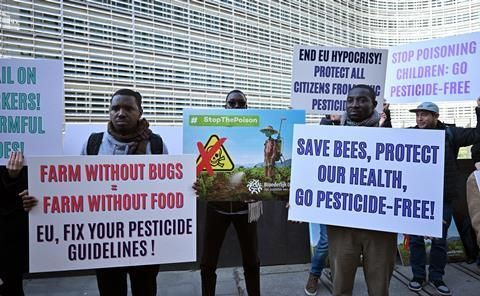
Neonicotinoids are a big problem, but they aren’t the only problem. The newer manufactured diamide insecticides are also contributing to the problem. Diamides were brought on the market in an attempt to replace neonicotinoids in the hopes they would be safer. However, diamides in terms of their toxicology profile and water-solubility are no safer and are actually more toxic to aquatic insects than the neonicotinoids they are meant to replace.
Where is the root of this problem?
High amounts of insecticides are being used on simplified landscapes, landscapes that are very simplified with more crops, little wetlands, and fewer hedgerows, trees, and grassy margins. It is predicted that in the next 10-20 years there will be a 10-20% increase in insecticide use just based on landscape simplification alone. We’re using modern techniques that include edge-to-edge cropping to maintain or increase production levels. Chemical bans and regulatory systems alone don’t seem to be the answer to protecting biodiversity. Our reliance on pesticides and inputs are symptoms of a much bigger issue.
Are insecticides just playing a small role?
Symptoms of biodiversity declines include seeing fewer birds, and fewer insects coupled with things like surface water degradation like increasingly prominent algal blooms, groundwater degradation, and increases in diseases, invasive weeds, and insect pests resulting in more chemical use that isn’t working. There are also climate extremes, droughts and floods that are resulting in crop losses, loss of soil fertility and moisture levels. All of these things are hugely problematic for farmers and production costs just keep going up which could cause serious economic issues. Insecticide use is a very small part of a much bigger problem, how we’re approaching agriculture.
To date, we've mostly focused on yield (food security), our single metric, but in doing that we're trading off environmental health for this perceived notion that it’s what we must do for the economy and so farmers can make a living. This focus and way of thinking is out of balance and environmental health doesn't necessarily need to be traded off to achieve food security, farm and business economics, and environmental health.
Can agriculture work with nature?
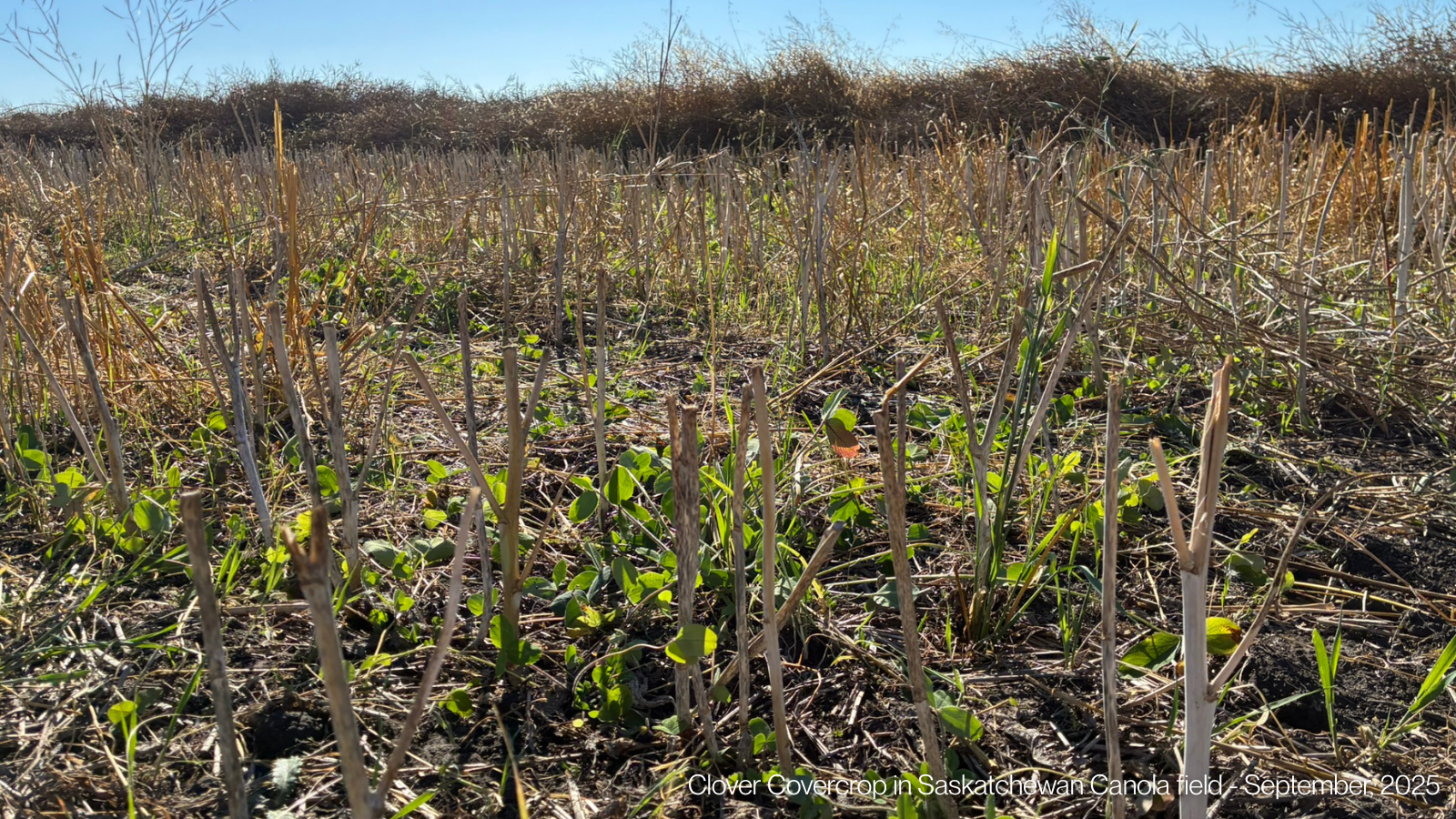
We need to work have agriculture work with biodiversity and look at our natural capital. Biodiversity is good for agriculture, we know now that pollinators and other beneficial insects are hugely important for production. To date, there's been little emphasis at least in North America on trying to boost biodiversity for the purpose of production but in places like the UK they're starting to catch on to this. One UK study took 3% or 8% of the marginal land out of agricultural production and planted it with diverse perennials to provide habitat for beneficial insects. The study found that business as usual had lower yields compared to the conversion of 3% or 8% of the marginal land to diverse perennials. Remarkably, there were no net losses of profits and yields were actually up to 35% higher in the conversion of 8% of marginal land to diverse perennials.
In North America, similar studies have taken place. A Saskatchewan study worked with farmers to replace 10-20% of their cropland with perennial forages around wetlands and in areas that were low-producing areas with soil fertility or salinity problems. No net losses of profitability were found. Some areas even saw higher gains while improving soil health and water quality. In Iowa, there is a study that looked at planting long strips of prairie forages as well as some flowering species intermixed with their very common corn-soybean rotations. They tested interspersed strips of 10% or 20% within the corn and soybean row crops. Remarkably, 10% of the field taken out of production and replaced with long integrated strips of prairie forage was the sweet spot since they saw a two-and-a-half-fold increase in insect taxa richness, pollinators went up by three and a half fold, native birds went up two and a half fold, soil retention was 20 fold and phosphorus retention or those that soil fertility went up for was 4 fold. In addition to no net loss of profits, so there doesn’t seem to be any downside to doing this only advantages.
Wetlands are our specialty here in the prairies. We've got this diversity already here making our our very homogeneous landscape more heterogeneous so that adds diversity right there but of course, we're losing wetlands, we're draining them and degrading them.
Studies here on the prairies show that when wetlands remain intact (natural wetland vegetative buffers are retained around wetlands) rather than cropping right up to the water's edge, water quality and biodiversity are maintained. Intact wetlands have lower neonicotinoid concentrations compared to wetlands that have lost their vegetative buffer. They are also great for birds. Birds tend to make a lot of further foraging trips over water. Wetlands in these agricultural landscapes even in intensively cropped areas are going to be hugely important for maintaining biodiversity and maintaining our aerial insectivores that are seeing some serious declines.
We shouldn’t be asking farmers to throw away their profits or productivity. The world needs to feed a large number of people and we cannot have yields decrease substantially from reductions in chemical use for example. A study in France looked at chemical use and how it affected conventional farm profits. They found that when pesticide use was reduced 94% of the farms reported no loss in productivity and 77% percent of the farms reported no loss in profitability. Just reducing their pesticide use seems to at least on the majority of farms cause no loss of productivity or profitability. The study concluded that 42% of all farms in France could reduce their chemical use without any negative effects on productivity or profitability. So if we use less pesticides, farmers would save money but they'd also do the environment a big favor.
What's key is that we just need to diversify our lands. There are endless opportunities to do this and farmers are fantastic experimenters. We can move away from just edge-to-edge mono crops to planting diverse crops like intercrops, cover crops, and vegetative buffers around wetlands and retaining wetlands, and also bringing livestock into crop production systems which can have huge benefits for soil health. Some of these regenerative agricultural practices are starting to catch on here on the prairies and new research is just starting to emerge and what the impacts are for biodiversity.
If we reframe this concept of agricultural sustainability and move away from just simply looking at yields we actually can start to rebalance between food security, farm and business economics, and environmental health, so all three can co-benefit one another. Overall our new way of thinking becomes integrated, and balanced, and demonstrates those win-wins.